As we get older, we become more prone to chronic pains, whether it be headaches, arthritis, menstrual cramps, gastrointestinal cramps, charlie horses, back aches, or back pains. There are many different types of pain, and some people learn to accept the pain while others need to seek out pain relievers. Thankfully, modern medicine has you covered with an array of medications that match an array of pains. Let's take a look at some common pains, and some over the counter medications that are suited for that pain.
Ibuprofen: (Advil/Motrin)
Best for: Everyday aches; Headaches, menstrual cramps, back joint and muscle pains
Cautions: Ibuprofen can cause gastric distress, like upset stomachs, or acid reflux. Don't use it as much if you have stomach conditions. It can also cause Kidney issues if you're taking the maximum dosage each day. To prevent the stomach issues, eat a snack before you take your Ibuprofen, it'll create a barrier that can protect your stomach lining.
Acetaminophen: (Tylenol)
Best for: Fevers, and aches caused by a cold or flu
Cautions: Acetaminophen is relatively safe so long as you stay within the proper dosages and is one of the few pain relievers safe enough for pregnant women to take. However, acetaminophen is very dangerous when taking too much, and is one of the most common causes of accidental overdose. Too much acetaminophen (5 - 7.5 grams) can lead to liver failure, and its a common ingredient in a lot of medications, so its easy to accidentally double dose. Go to the ER if you experience, nausea, vomiting, and abnormal pain, after taking acetaminophen products.
Aspirin:
People tend to thing Aspirin is a pain reliever, while it may work to an extent, it should always be your last choice due to how ineffective it is at pain relief. Aspirin relieves pains by improving blood flow by restricting your blood's ability to clot. Its superb for preventing heart attacks, but too much aspirin can cause stomach and intestinal ulcers which could lead to intestinal bleeding since aspirin prevents clotting.
One of the most common dangers with Dementia is dehydration. More often than not, people with dementia cant convey that they're thirsty, or forget to stay properly hydrated. Very recently two UK researchers have invented a marvelous source of hydration for people with Dementia, they're called Jelly Drops, and they're so simple yet so innovative. Lewis Hornby had studied various people, including his own grandmother with dementia, and had noticed that people with dementia were becoming dehydrated because of a litany of issues. Whether it be the inability to recognize cups, recognize their own thirst, loss of dexterity, get combative at assistance with drinking, or even how easy it is to spill liquids, Lewis had recognized that it was easier for people with dementia to eat than it was to drink. Furthermore, Lewis had noticed that people with dementia are far more receptive to eating treats than meals, something about getting a piece of candy resonates with them more than properly plated foods, and his grandmother was more comfortable eating in social situations than she was independently.
With all these key behaviors in people with Dementia, Lewis took to the kitchen and began to prototype out hydrating snacks that resembled jello. He came up with a formula that is 95% water with all natural flavoring and no sugars to be as healthy as possible, and shaped this snack into an enticing treat with vibrant colors and unique packaging. Just one box of his Jelly Drops contain half the daily recommended water consumption for any adult. He was able to take a complex issue, and find a simple solution, and is now working with various facilities to make Jelly Drops widely available and better the lives of all people with dementia.
Check out his Ted Talk to hear about his process! I'm hoping Jelly Drops goes world wide soon, the world needs this level of innovation!
Some days it's hard to get a good night sleep. I have dealt with my fair share of insomnia, and I'm certain you have too, especially when studies show that 50% of adults suffer from periodic insomnia, and 10% have chronic insomnia. So what could be causing these sleepless nights? Well that varies from person to person, but here are some tips that you can use to try and beat it!
Consistent Routine
This one can be tricky as it is difficult to form a new routine. If you have your wake up and bed times the same time every day of the week, your body will adjust to your new sleep schedule and make sure you are out exercising or socializing during the day to tire out your body. And lastly, make sure you go to bed 30 minutes prior to when you want to fall asleep, as the body takes about a half hour to fully fall into REM (rapid eye movement) sleep.
Exercise
Moving frequently will burn off your excess energy, not only will this help keep you awake during the day, but it will also help you sleep at night. You don't need to vigorously exercise, but some activity through out the day will definitely work!
Cool Room Keeping your bedroom colder will aid in sleep as your body relaxes in cooler environments. This is because in nature, temperatures get cooler as the night comes. Our bodies instinctually react to cooler temperatures because of this.
Get Evaluated
If your lack of sleep is getting out of hand, and is negatively impacting your life, you should go see a sleep specialist and have them examine your problems. You could be suffering from sleep apnea, thyroid problems, restless leg syndrome, etc. When in doubt always see your doctor!
Avoid Sleep Disruptors Avoid taking long naps through the day, and coffee as you will have excess energy that'll make normal sleep more difficult. Also avoid using your smartphone, computer, or TV 30-45 minutes before bed. These devices emit a blue light, and blue lights are interpreted as the morning light to your brain, signaling a wake up. Should you need some form of entertainment right up until bed time, read a book under a warm colored lamp.
Sleep Aids
Now this should always be a last resort. There are many prescription sleep aids, and regardless if you use Prescription or Over the Counter medications, you should always speak with your doctor first. Not only will they help you get the most effective sleep aid for you, they'll also make sure you don't take any with adverse side effects.
Hello everybody! I hope your week has gone well! Today we are going to do something a little different, here's a little bit about our hardworking staff here at THSC.
GINA GERMANY: Mrs Gina Germany is a Certified Senior Advisor and Certified Dementia Practitioner who started Touching Hearts Senior Care back in August 1st, 2007. Ever since then she has been making great strides in the community by providing top quality service for elderly peoples with and without dementia, and educating the community with Support Groups and her Non-Profit organization, Gulf Coast Dementia Services. Gina loves to go biking, and has biked across the state of Oklahoma FIVE times!
LISA MOORE: Lisa is the Office Administrator here at THSC. Initially from California, Lisa came to Touching Hearts Senior Care in 2011 and worked her way to becoming the office administrator. She enjoys many things, from cooking, drawing, yard work, music, boating, and spending time with her friends and family!
LEVI HOLL: Levi is the Office Administrative Assistant, and Social Media Coordinator. He has been all over the place, born in South Carolina, raised in New York only to move back to South Carolina, then moved to Alabama almost 2 years ago. Levi is very tech oriented, usually helping out with computer issues throughout the office and in his spare time he assembles and paints 32mm scale miniatures and write comic books!
There are many health dangers that could happen at a moments notice that could kill you or do significant damage to you. Heart disease, stroke, cancer, and many more scary conditions exist out there. We all want to make sure we are in the clear, who doesn't want to make sure they're healthy after all? It's important to get tested but there's a danger to over testing when you don't need it. Not only is it expensive but it may have unforeseen consequences. Places that offer free health screenings will also offer you additional screenings at cost playing on your fear of the unknown. Your insurance could see the results of every screening you undergo, raising your risk score, ultimately increasing your insurance or preventing you from having the insurance you need for being "too high risk." When in doubt always consult your personal physician before undergoing a series of tests. Your doctor will be better at identifying your health risks from already knowing your medical records and family history. They'll know that if you don't have a history of heart disease in your family that you'll be a low risk and can perform low cost, non invasive, screenings should you need that assurance. No need getting several Xrays for conditions you would have a very low risk of developing, excess radiation comes with its own problems. Health screenings need review from the FDA before they are available to the public, but they don't regulate how the screenings are applied, leading to companies using fear mongering to persuade you to get tests you don't need. Don't let that discourage you from getting screenings if you truly feel that you need it, just have a bit of skepticism if a company is trying to sell you on taking more screenings than what you initially came for, and when in doubt ask your doctor for their professional opinion!
Speaking of PSA, Banks Ladd wanted us to film a PSA about Trust Planning and that is available on our YouTube Channel!
As we grow older, we are prone to more headaches an migraines, but what are the causes? Turns out there are many factors, and there are even causes we aren't aware of. Here are some causes that can help you identify what you might be going through right now!
Caffeine Withdrawal: If you regularly consume coffee or a caffeinated beverage and didn't drink at your usual time, you might be undergoing a withdrawal headache. These happen because your brain learns to function on caffeine and a break in its supply will throw off your equilibrium and lead to a painful ache. You can either resume your caffeine supply to fix it, or wean yourself off with headache medication that has caffeine in it, to get your brain used to not having caffeine in its system.
Rebound Headaches: If you regularly take OTC pain medications, your nervous system can become sensitive and make your aches and pains much worse. You should see your physician if you are still feeling pains after taking 2-3 OTC pills per week.
Dehydration: This one is a simple fix but is very easy to overlook. If you aren't drinking enough water per day, ideally 16 ounces or more, your body may suffer dehydration headaches. This is also the reason hangovers exist, alcohol dehydrates the body, and when you wake up with a splitting headache you'll need to drink plenty of water to quell it. Most people who never get hangovers, are ones who regularly drink water with alcohol consumption.
Barometric Headache: Changes in weather affect the atmosphere pressure, also known as Barometric Pressure. While we don't feel it, the atmosphere around us is always exerting a pressure on us, and when the weather changes (most abruptly in thunder and lightning storms) the differentials in pressure can cause a headache. There's not much you can do to prevent this other than take some headache pills when you feel a headache come on.
Hunger Headache: This headache is very similar to a dehydration or caffeine headache. When you don't eat, your body is lacking in vitamins, minerals, and nutrients to function. The term "brain food" applies here, if you aren't getting nutrition, your brain isn't getting what it needs to function properly, triggering a headache.
Sleep Deprivation: If you haven't been getting proper rest, then neither has your brain. You need to see a sleep specialist if you consistently suffering from insomnia, or sleep apnea, as these will trigger frequent headaches. Not only will sleep deprivation give you headaches, it will also increase your risk for heart troubles.
There are many more causes for headaches, and some of them could be signs of serious problems, so when should you see a doctor? If you feel weak, begin to lose your vision, have balance problems, or trouble talking, you should see a doctor right away. And if you suddenly have a headache that feels like the worst pain of your life, you may be having an aneurism, and should call 911 as soon as possible. Sudden headaches like that can also be referred to as a "thunderclap".
Also a new video was released today! Go check out our YouTube channel! Be sure to like, comment and subscribe if you would like to see more!
Did you know that some of our most famous presidents share birthdays this month? There are four actually! We only celebrate two of the four though. George Washington (February 22, 1732), William Henry Harrison (February 9, 1773), Abraham Lincoln (February 12, 1809), and Ronald Regan (February 6, 1911). We only celebrate George Washington's birthday and Abraham Lincoln's Birthdays for how significant their terms meaned to the United States. As George Washington was the first president of the United States of America, it's only natural that we celebrate his birthday as a holiday. However, it wasn't until 1971 that we move the celebration to every 3rd Monday as President's day, so employees and students would get a 3 day weekend rather than have the week, awkwardly, split up with time offs.
As for Abraham Lincoln, we recognize his birthday because he was a huge civil rights advocate and recognized as a hero for making slavery illegal. In New York his birthday was first recognized as a holiday in conjunction with, a former abolitionist, Fredrick Douglas's birthday on the 14th. Starting the movement of becoming Black History week, and eventually growing to Black History Month today. In other news, have you been to our Youtube Channel as of late? We have a couple new videos!
Charla Ruby has done an outstanding job ever since we hired her last year, and she has earned our Employee of the Month Award for February 2019!
And we were recently at the Nix Center for their Volunteer Fair! Come by and see some of the photos we took!
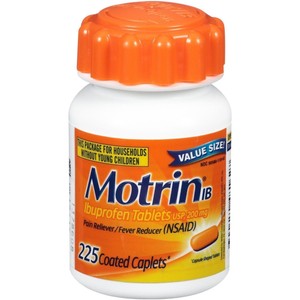 Ibuprofen: (Advil/Motrin)
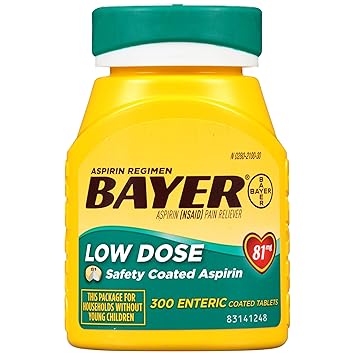 People tend to thing Aspirin is a pain reliever, while it may work to an extent, it should always be your last choice due to how ineffective it is at pain relief. Aspirin relieves pains by improving blood flow by restricting your blood's ability to clot. Its superb for preventing heart attacks, but too much aspirin can cause stomach and intestinal ulcers which could lead to intestinal bleeding since aspirin prevents clotting.